
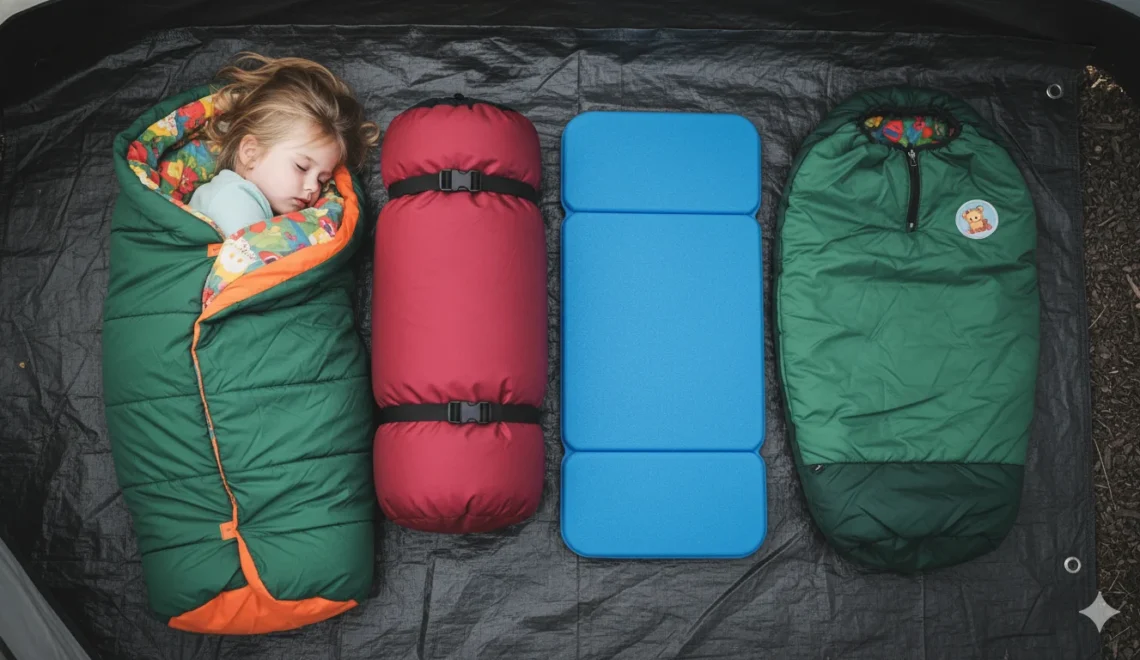
Best Kids Sleeping Bag for Happy Campers
When families start planning a family camping trip, one of the most exciting parts is getting the right sleeping bags for their children. I’ve been camping with my kid since toddlerhood, and finding the best sleeping bag that keeps them warm and helps them sleep soundly in an unfamiliar spot has made all the difference. We once tried the REI Co-op Kindercone 25, and it became a standout choice because it’s durable, cozy, and easy to pack with its clever stuff sack. From slumber parties to summer camp, a good bag truly becomes a part of a child’s growing-up stories through the years.
After some extensive testing and talking with other families, our team carefully selected brands and products that are both tested and trusted. Whether you’re prepping or packing for the next adventure, using the codes and affiliate links on Amazon can help you purchase high-quality gear at a discount, while also supporting the associate member programs that make guides like this possible. So, thank you for clicking through and joining us in making family adventures easier, rounded, and ready to last through every season.
Not sure WHY kid-specific sleeping bags are worth it?
As parents, we all know how fast kids grow, and investing in the right equipment can feel tricky when they might outgrow it within a season. I’ve learned through experience that while cheaper or adult modifications might seem like a way to save money, the truth is that sleeping bags built specifically for children have a real purpose beyond being cute or weighing less. When my kids first started camping, I claimed that these were just a luxury item, but after doing a bit of research and seeing the facts play out, I realized how essential they are to keep young bodies warm and happy.
The science behind a smaller sleeping bag is surprisingly simple—less space means a child’s body can heat the bag faster, staying cozier through the night. These bags aren’t just for sleepover fun or using indoors; they’re made for serious outdoor adventures where staying warm really matters. Well-made gear that’s purchased thoughtfully can keep your child comfortable and safe, making every camping trip smoother and more enjoyable for both parents and kids.
Temperature Ratings for Kids’ Sleeping Bags
As a parent, I’ve learned that not all sleeping bags for kids come with a temperature rating, and that can be confusing when you’re trying to compare different options. The truth is, how warm a child stays in a bag depends on many factors and variables—everything from their body type and whether they tend to feel cold or hot, to the kind of sleeping pad they use. Even the air temperature, relative humidity, and wind speed around the campsite can change how comfortable they feel through the night.
From my own camping trips, I’ve noticed that bodies sharing a tent or sleeping outside can change the warmth level, too. That’s why I always make sure my kids are dressed right for the weather—using wool or synthetics, a cozy hat, and enough layers and socks to stay snug. Understanding these ratings helps me pick the right gear, but knowing how to prepare your child for any temperature is just as important.
Built-In Pad Sleeve for Kids Sleeping Bags
When camping with kids, one of the most common challenges is keeping them warm through the night. I’ve noticed my own children often roll, spin, or even nudge themselves off their sleeping pads, which quickly leads to lost warmth. That’s why sleeping bags with an integrated sleeve are a game-changer. The Big Agnes designs are some of my favorite options — the bag and pad stay perfectly attached, making it almost impossible to get separated in the middle of the night unless you’re completely ditching the system.
For young campers who sleep in colder temperatures, the Big Agnes Little Red 20 and Big Agnes Wolverine 20 models perform exceptionally well. Both are synthetic and include pad sleeves plus a cozy neck pillow that traps air to keep kids extra warm. While these bags are a bit heavier than a down quilt like the ones from Enlightened Equipment, the warmth and comfort they provide make them well worth it for families who love reliable, snug nights outdoors.
The Best First Sleeping Bag
The REI Co-op Kindercone 25 is often the best choice when it comes to a first sleeping bag for kids. I’ve used it for several camping trips with my own kid, and it’s consistently warm, cushy, and surprisingly tough. This spacious mummy-style bag works well for three-season use and is just as comfortable on the plush floor of a school gym as it is in a tent. Parents who value durability will love how well it handles everyday adventures — from being turned into a fort wall to becoming a vehicle for sliding down stairs.
Every parent and kid who’s tried it has appreciated the smart design touches, like the built-in stuff sack that makes packing easy and nearly impossible to lose. It’s these small qualities that make the REI Co-op Kindercone 25 stand out as a practical, cozy, and kid-proof choice — one that combines fun and function perfectly for young campers.
Better for Sleepovers
The REI Co-op Kindercamp 40 is a great choice for kids who want a comfortable sleeping bag that works just as well at home as it does on trips. Made with soft materials like polyester fill and a polyester shell, it feels cozy and smooth against the skin. Unlike the Kindercone 25, this rectangular bag skips the mummy-shaped, hooded top and tapered foot, which makes it feel more open and roomier — perfect for stretching out during a fun sleepover. Though its temperature rating is 40 °F compared to the Kindercone’s 25 °F, it’s still warm enough for indoor or mild-weather use.
I especially like how the Kindercamp 40 includes an attached stuff sack connected by a small tether, so it’s fully organized and easy to pack. Its shape even allows it to double as a comforter when unzipped, which is handy for kids who like options. The lighter design makes it ideal for families who don’t need that cocoon-like insulation but still want the trusted quality of REI Co-op gear that’s built to last.
A Bigger Version of the Same Bag
When camping in colder weather with nighttime lows dipping into the 30s, a kid needs a reliable sleeping bag to stay toasty through the night. The Big Agnes Little Red and the larger Wolverine are both excellent picks for warmth and comfort. These mummy-style bags are rated to 20 ˚F, making them much warmer compared to lighter models. I’ve seen how well the built-in sleeping pad sleeve helps a young camper keep their pad in place, preventing those chilly moments when kids roll off in their sleep.
You can buy the pad separately, but most 20-inch-wide pads fit perfectly with these models. The Big Agnes bags also pack smaller than many others, which is handy for travel, though they do come at a slightly higher cost and can be a bit more expensive. Still, for kids who camp often in cool conditions, the extra warmth, snug fit, and dependable design make these worth the investment.
How We Picked and Tested
When choosing the right sleeping bag for kids, we didn’t just think about camping trips or outdoor adventures — we also tested them in simple settings like a living-room slumber party. Kids need something that feels warm and comfortable, but also easy to stuff and unstuff on their own. We looked at shape first, comparing mummy-style and rectangular designs. The form-fitting ones trapped more warmth with less mass, while the roomier ones offered flexibility and could unzip to become a blanket. For us, a balance between lightweight comfort and durability was key.
Next, we tested the weight, heft, and how portable each bag was — because even toddlers should be able to carry their own sack from one destination to another. The materials and temperature ratings were equally important. We preferred synthetic over cotton, since cotton tends to hold moisture from dew or a spilled water bottle, making it soggy and harder to insulate when wet. Inexpensive models often had ratings between 40 ˚F and 55 ˚F, which might leave a kid shivering on a chilly spring or fall trip, while a good three-season option stayed reliably warm.
Finally, we considered standout features like easy-to-use zippers, solid quality, and secure cinches around the head and shoulders. We also looked at usable life, since kids grow fast — a good bag should hold up for years of use. Over the past seven years, our team has brought and tested more than a dozen different models on sleepovers, sleepaway camps, and family trips, watching which ones kids naturally gravitated toward when presented with multiple options.
FAQs about Kids Sleeping Bags
Q1. What size sleeping bag is best for kids?
The best size depends on your child’s age and height. A kid’s sleeping bag should fit snugly but not tightly, keeping them warm without extra space where cold air can enter. Many brands offer adjustable lengths so the same bag can be used as your child grows.
Q2. How warm should a kid’s sleeping bag be?
Check the temperature rating before buying. For three-season camping, choose a bag rated between 20°F and 40°F. For sleepovers or indoor use, a lighter sleeping bag is fine. Always think about the weather and the location where your child will sleep.
Q3. What’s better for kids — down or synthetic sleeping bags?
Synthetic bags are usually better for kids because they are cheaper, dry faster, and still insulate when wet. Down sleeping bags are warmer and lighter, but they can lose warmth if they get damp.
Q4. How can I make sure my child stays warm while sleeping?
Use a sleeping pad under the bag to block cold air from the ground. Dress your kid in layers, including socks and a hat if needed. Also, make sure the bag is zipped properly and fits their body size.
Q5. What is the best sleeping bag for camping and sleepovers?
For camping, choose mummy-style sleeping bags like the Big Agnes Little Red or REI Kindercone 25, which keep kids warm and comfortable outdoors. For sleepovers, rectangular sleeping bags such as the Kindercamp 40 are roomier and can unzip into a blanket.
Q6. How do I clean and store a kids sleeping bag?
Most synthetic kids sleeping bags can be washed in a front-loading machine with mild soap and cold water. Avoid fabric softeners or bleach. Let the bag air dry or use a low-heat dryer, then store it uncompressed in a dry place to maintain its loft and warmth.
Conclusion
Choosing the right kids sleeping bag makes every camping trip, sleepover, or outdoor adventure more comfortable and fun. A good bag keeps your child warm, cozy, and safe in different weather conditions, while also being easy to clean, carry, and store. Whether you go for a mummy-style or rectangular design, focus on temperature ratings, materials, and the fit that matches your kid’s age and needs. With the right choice, your little camper will enjoy a good night’s sleep under the stars—and you’ll enjoy the peace of mind that comes with it.