
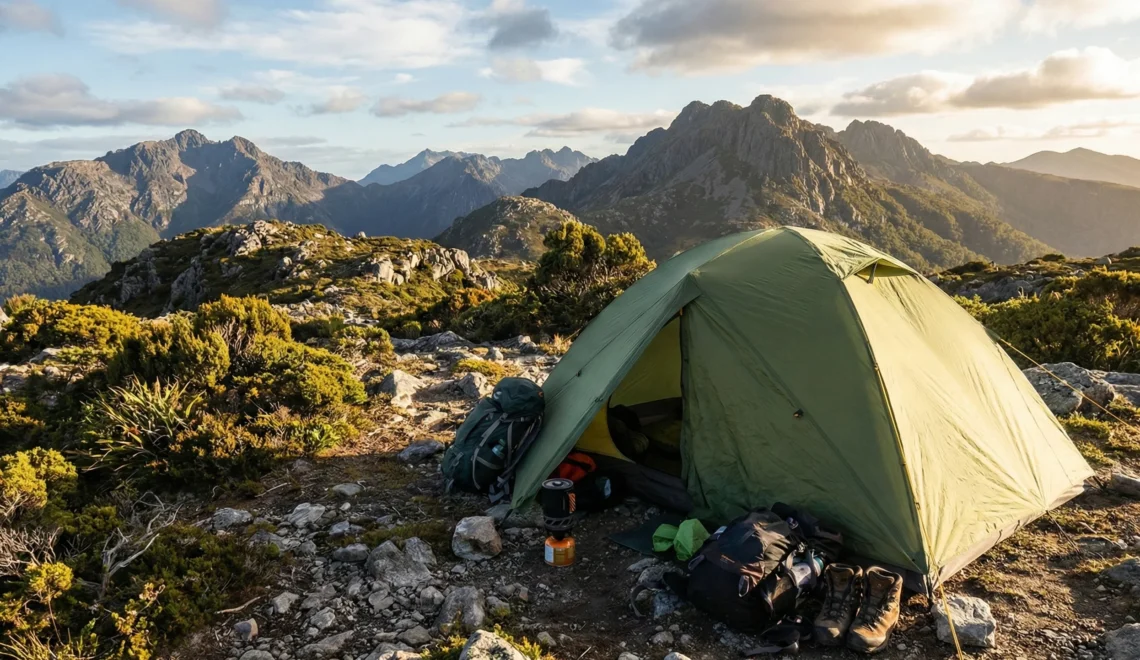
Best Tents for Wild Camping: Top Picks for Every Adventure
Wild camping is about freedom, solitude, and reconnecting with nature far away from busy campsites and crowded trails. Whether you’re pitching up in the Scottish Highlands, a remote forest clearing, or a quiet mountainside, your tent becomes your shelter, sanctuary, and survival tool all in one. That’s why choosing the best tents for wild camping isn’t just a gear decision—it’s a safety and comfort choice that can make or break your trip.
Unlike campsite camping, wild camping often means unpredictable weather, uneven ground, strong winds, and limited space. You need a tent that’s lightweight enough to carry, tough enough to handle the elements, and discreet enough to blend into natural surroundings. In this guide, we’ll explore everything you need to know about the best tents for wild camping, including key features, top recommendations, and practical tips to help you camp confidently and responsibly.
What Is Wild Camping and Why Tent Choice Is Crucial
Wild camping generally refers to camping outside designated campsites, often in remote or semi-remote areas. In places like Scotland, it’s legal under certain conditions, while in other regions it may be restricted or require permission. Regardless of location, wild camping demands self-sufficiency.
Your tent plays a critical role because:
- You can’t rely on campsite facilities or shelter
- Weather conditions can change quickly
- You may need to pitch on rocky, sloped, or exposed ground
- Stealth and low impact are often essential
That’s why the best tents for wild camping are designed with durability, weather resistance, and portability in mind.
Key Features to Look for in the Best Tents for Wild Camping
Before jumping into specific models, it’s important to understand what separates an average tent from one suited to wild camping.
1. Lightweight and Packable Design
When you’re hiking miles with all your gear, weight matters. Most wild campers aim for a tent that weighs between 1kg and 2.5kg, depending on whether it’s a solo or two-person setup.
Look for:
- Lightweight aluminum or carbon poles
- Compact packed size
- Minimal but functional design
Ultralight tents are especially popular for long-distance hikers and backpackers.
2. Weather Resistance and Durability
Wild camping often exposes you to wind, rain, and cold. A tent designed for this environment should handle all three.
Key specs to check:
- Waterproof rating (hydrostatic head of at least 3000mm for the flysheet)
- Strong pole structure for wind resistance
- Taped seams and durable fabrics
Many of the best tents for wild camping are rated for three or even four seasons.
3. Low Profile and Stealth Appearance
Wild camping is often about staying discreet and leaving no trace. Brightly colored festival-style tents aren’t ideal.
Choose tents with:
- Earthy or neutral colors (green, grey, brown)
- Low height to reduce wind exposure
- Minimal external features
A low-profile tent not only blends in better but also performs better in strong winds.
4. Ease of Pitching
After a long hike or in bad weather, the last thing you want is a complicated setup.
Ideal features include:
- Simple pole structure
- Inner-and-outer pitch together designs
- Clear instructions and intuitive layout
Many experienced campers prefer tents that can be pitched in under five minutes.
5. Ventilation and Condensation Control
Condensation is a common issue in wild camping, especially in cold or damp conditions.
Look for:
- Mesh panels or vents
- Double-wall construction
- Adjustable airflow options
Good ventilation is a hallmark of the best tents for wild camping, helping you stay dry and comfortable overnight.
Best Tents for Wild Camping: Top Picks by Category
Below are some of the most trusted and widely recommended tents among wild campers, backpackers, and outdoor professionals.
Best Solo Tent for Wild Camping
MSR Hubba NX 1-Person Tent
This tent is a favorite among solo adventurers who want a balance of comfort, weight, and durability.
Why it stands out:
- Weighs around 1.3kg
- Excellent weather protection
- Easy to pitch and pack
It’s not the cheapest option, but its reliability makes it one of the best tents for wild camping if you value quality and performance.
Best Budget Tent for Wild Camping
Vango Banshee 200
The Vango Banshee series is legendary in the UK wild camping scene.
Key benefits:
- Affordable price point
- Proven wind resistance
- Compact and lightweight for a 2-person tent
If you’re new to wild camping or want a dependable tent without overspending, this is a solid choice.
Best Ultralight Tent for Wild Camping
Terra Nova Laser Compact 1
Designed specifically for backpackers and minimalist campers, this tent excels in weight savings.
Highlights:
- Weighs just over 1kg
- Small packed size
- Ideal for long-distance treks
Ultralight tents like this are often considered among the best tents for wild camping for experienced hikers who prioritize speed and efficiency.
Best Two-Person Tent for Wild Camping
Big Agnes Copper Spur HV UL2
Perfect for couples or those who want extra space without a big weight penalty.
Why campers love it:
- Spacious interior for its weight
- Excellent ventilation
- High-quality materials
It’s a premium option, but comfort-focused wild campers often swear by it.
Best All-Season Tent for Harsh Conditions
Hilleberg Akto
Hilleberg tents are known for extreme durability and weather resistance.
Top features:
- Four-season performance
- Exceptional wind and rain protection
- Built for serious conditions
If you camp year-round or in exposed locations, this is one of the best tents for wild camping you can buy.
How to Choose the Right Tent for Your Wild Camping Style
Not all wild campers have the same needs. Your ideal tent depends on how, where, and when you camp.
Ask Yourself These Questions:
- Do I camp solo or with others?
- Will I hike long distances or stay closer to access points?
- What weather conditions do I expect most often?
- Is stealth camping important in my area?
Answering these will help narrow down your options and avoid overpaying for features you don’t need.
Practical Tips for Wild Camping with a Tent
Choosing the right tent is only part of the equation. How you use it matters just as much.
Pitching Tips
- Always check wind direction before setting up
- Use natural shelter like rocks or small rises
- Secure guy lines properly, even in calm weather
Leave No Trace
- Pitch late, leave early
- Avoid damaging vegetation
- Pack out all waste
Organizations like the British Mountaineering Council (BMC) and Leave No Trace provide excellent guidelines for responsible wild camping and are worth bookmarking as external resources.
Internal and External Resources for Further Reading
For more outdoor gear guides, you might explore related articles on your site such as:
- Best Sleeping Bags for Backpacking
- Wild Camping Essentials Checklist
Authoritative external resources include:
- REI’s Expert Advice on Tents and Camping
- British Mountaineering Council wild camping guidelines
These sources add credibility and align with Google’s E-A-T principles.
FAQ: Best Tents for Wild Camping
What is the best tent for wild camping in windy conditions?
A low-profile, tunnel-style tent with strong poles and multiple guy lines is ideal. Models like the Hilleberg Akto are often considered among the best tents for wild camping in wind.
Are ultralight tents durable enough for wild camping?
Yes, if used correctly. Ultralight tents use advanced materials that balance strength and weight, but they require careful handling.
Do I need a four-season tent for wild camping?
Not always. A good three-season tent is sufficient for most spring, summer, and autumn trips. Four-season tents are best for winter or exposed locations.
How much should I spend on a wild camping tent?
Prices range widely. Budget options start around £150, while premium tents can exceed £600. The best tents for wild camping offer reliability rather than just low cost.
Can I use a regular camping tent for wild camping?
You can, but it’s not ideal. Regular campsite tents are often heavier, less weather-resistant, and more visible.
Conclusion: Finding the Best Tent for Your Wild Camping Adventures
Choosing the best tents for wild camping comes down to understanding your needs, respecting the environment, and investing in quality where it matters most. A good wild camping tent should be lightweight, weatherproof, easy to pitch, and discreet—giving you confidence no matter where you set up for the night.
Whether you’re a solo backpacker chasing remote summits or a weekend adventurer seeking quiet nights under the stars, the right tent will enhance every trip. Take your time, compare options, and prioritize reliability over gimmicks.
Ready to take the next step? Explore trusted outdoor retailers, read real user reviews, and plan your next wild camping adventure with confidence—because the right tent turns the wild into home.